Subtle lip filler is less about creating new lips and more about revealing the ones you already have. Done well, it looks like good lighting and enough sleep. You keep your natural shape, you gain a touch of volume where it counts, and friends comment that you look refreshed rather than “done.” That restraint is not accidental. It comes from understanding anatomy, product behavior, and how millimeters change an entire face.
I have treated first‑timers who feared “duck lips,” as well as seasoned clients who wanted to refine edges after years of overfilling elsewhere. The common thread among happy outcomes is deliberate planning and conservative dosing with a clear aesthetic target. If you are searching for “lip filler near me,” this guide will help you know what to ask, what to expect, and how to recognize thoughtful technique when you see it.
What “Subtle” Really Means
Subtle lip fillers do not erase your natural lip anatomy. They work with it. A small amount of hyaluronic acid lip filler supports the Cupid’s bow, restores definition to the white roll, or tucks a hint of volume into the lateral pillows without blunting the philtral columns. The aim is proportion, not size.
When clients bring a reference photo, we talk in terms of structure. A crisp vermilion border reads youthful. Even half a milliliter placed in the right subunits can make lipstick sit better and keep gloss from feathering. A soft, hydrated look comes from fillers with lower elastic modulus that attract water and blend into the tissue. This is why two people can receive “1 mL” and look entirely different — placement, product, and tissue all interact.
Tools of the Trade: Fillers, Needles, and Cannulas
Most natural looking lip fillers are hyaluronic acid based. They are popular for a reason. Hyaluronic acid lip fillers integrate well into mobile tissue and, crucially, they are reversible with hyaluronidase if needed. Within that category, not all gels act the same. Some are designed for structure, some for softness.
For a pillowy, hydrated finish, I reach for softer gels that flex with movement. For border definition and lifting downturned corners, a slightly firmer product provides crispness. Dermal lip filler brands publish rheology, but you learn the personality of a product by how it stacks under the vermilion and how it behaves at three months. Aesthetic lip fillers that look perfect day one but feel lumpy at week two usually were mismatched to the lip’s biomechanical demands.
Technique matters as much as product. A needle allows pinpoint placement for Cupid’s bow points and border refinement. A cannula can be gentler for lateral volume and reduces bruising in some patients. I often use both during a single lip augmentation procedure, switching as the terrain changes. The method should fit the plan rather than the other way around.
Anatomy, Ratios, and the Millimeter Problem
Classically, the lower lip should be roughly one and a half times the size of the upper. That is a guideline, not a law. Ethnic variation, dental structure, occlusion, and age all shape what looks harmonious. A naturally full upper lip with a retrusive chin will not suit the same dose or distribution as a thin-lipped profile with strong dentition.
Subtle lip filler lives and dies by millimeters. I have added 0.2 mL to a deflated tubercle and watched the entire lip wake up. Conversely, 1 mL scattered without a plan can erase anatomy. The philtral columns, the Cupid’s bow, the white roll, the wet‑dry border — each is a lever. Pushing all of them at once gives that flat, inflated look that reads artificial. Choose one or two levers per session and let the tissue settle before doing more.
First Consultation: Matching Desire to Reality
At a lip filler consultation, I always ask clients to describe, in their own words, what they dislike and what they want to see. “I want lipstick to stay put,” “I miss the shape I had before kids,” or “I bite my lips when I’m stressed and they look uneven.” Those details point to specific solutions: support at the border, soft lip filler FL volume in the middle third, or correcting asymmetry at the commissures. Photos help, but context matters more.
We also set guardrails. Subtle lip filler rarely begins with more than 0.5 to 1.0 mL on day one. If you have very thin lips, we may stage treatments, adding small increments over two or three sessions. This preserves blood flow, protects natural curves, and avoids the stretched, shiny look. I explain what will swell and when it will subside, how hyaluronic acid integrates, and what a touch up might involve. Clients who understand the timeline are calmer through the process and happier with the outcome.
The Procedure, Step by Step
A soft landing begins before the first droplet of gel. I review your medical history, allergies, and prior treatments. If you’re on blood thinners, we discuss risks. If you bruise easily, arnica may help but will not erase biology. Numbing cream takes the edge off. Some products contain lidocaine, which deepens comfort as we go.
I map landmarks with you upright because gravity changes everything. The lip plumper injections themselves take 10 to 20 minutes in most cases. I manage swelling by spacing passes and using gentle pressure. The goal is to achieve immediate shape without overfilling to “compensate” for expected swelling. That compensation strategy is how duck lips happen. I would rather underplace by a fraction and invite you back for a measured touch up once the tissue is quiet.
Expect some lip filler swelling for 24 to 72 hours. Day two is often the peak. Tiny entry points may look like pinpricks. Makeup can usually return after 24 hours if the skin is intact. Ice intermittently, keep lips clean, and avoid intense heat or vigorous exercise for the first day. If you develop blanching, severe pain, or mottled discoloration, contact your provider promptly. Vascular events are rare with an experienced injector, but a safe lip filler plan includes preparation for the unlikely.
Choosing a Provider: What Good Looks Like
Not every injector approaches lips the same way. That is fine. It becomes a problem only when style and your goals misalign. When searching for a lip filler clinic or a lip filler provider, browse their portfolio with a critical eye. Do they show varied outcomes, or does everyone share the same silhouette? A lip filler specialist who values restraint will have before and afters that look like different versions of the same person rather than a uniform signature mouth grafted onto every face.
Credentials matter. Training in facial anatomy, complication management, and product selection is nonnegotiable. A lip filler nurse injector or a lip filler doctor with ongoing education and hands-on experience is more likely to prevent a problem and to fix one quickly if it happens. Ask about their approach to reversibility, how often they stage treatments, and what they consider a red flag for overfilling. You are not only buying a syringe. You are buying judgment.
Product Selection: Soft, Structured, or a Blend
For natural lip augmentation injections, I often combine a delicate, hydrating gel in the body of the lip with a slightly more structured filler at the border. This preserves definition without creating hardness. Softer formulas behave like watercolors, fusing into the tissue for a dewy finish. Structured gels act more like pencil, sharpening edges and lifting corners.
Clients sometimes ask for “the best lip filler.” There is no single champion. The top rated lip filler for subtle results depends on your anatomy, your goals, and how expressive your mouth is. Heavy talkers and singers, for example, need a filler that tolerates sheer stress. If you chew your lips or sleep face‑down, you may need a flexible filler that bounces back rather than one that sits tall but stiff.
What Results Look Like Day by Day
Immediate post‑procedure lips can look a touch fuller than the final result due to swelling. By day three, swelling usually settles. Small asymmetries can reveal themselves once the tissue calms. I prefer a follow‑up at two weeks for assessment. If we planned a staged approach, that visit is often when we place the final 0.2 to 0.4 mL to finesse the peaks or balance the sides.
Most hyaluronic acid lip fillers last 6 to 12 months in lips, sometimes less if you have a very fast metabolism or are an avid runner. Long lasting lip filler is a relative term. The lips move constantly, which accelerates breakdown compared to cheeks or temples. Some clients enjoy a delicate “tincture” of volume that never fully disappears, as small amounts of filler can encourage water retention even after measurable product declines. Others prefer a precise schedule with lip filler maintenance every 9 to 12 months. Your pattern becomes clear by the second cycle.
Cost, Value, and When Deals Make Sense
Lip filler cost varies by geography, injector experience, and product. For a single syringe in a metropolitan clinic, lip filler price often falls in the 600 to 900 range in dollars, sometimes higher for premium brands or senior injectors. Lip fillers cost less in some markets with lower overhead, and more in boutique settings that bundle extended consultations, imaging, and aftercare.
Lip filler specials can be a good way to start if the discount comes from a manufacturer rebate or a practice event, not from cutting corners. Be cautious with prices that seem too good to be true. Complication management, proper product storage, and clinical time are not cheap. If you are shopping for lip filler deals, vet the clinic’s credentials first, then consider the offer. A reversible lip filler is only as safe as the hands that place it.
Reversibility and Safety: The Comfort of a Safety Net
One of the strongest arguments for hyaluronic acid lip fillers is reversibility. If a shape feels off or uneven, or if a rare vascular compromise occurs, we can use hyaluronidase to dissolve filler. That does not replace prevention. Good injection planes, slow flow, and constant awareness of anatomy reduce risk. In my practice, subtle lip filler starts with conservative doses, careful aspiration when appropriate, and staying superficial in high‑risk zones.
True medical lip filler care includes screening for cold sores. If you have a history of herpes simplex, pretreatment antivirals can prevent a flare. We also discuss allergies, autoimmune conditions, and any recent dental work. Dental procedures can stir inflammation that complicates healing, so spacing lip fillers injections at least two weeks from dental work is wise.
Respecting Natural Proportions Across Faces and Ages
What reads as subtle on a 25‑year‑old may look heavy on a 55‑year‑old if we do not account for age‑related bone resorption and skin changes. In older patients, supporting the perioral area with micro‑doses just beyond the vermilion can lift shadows and reduce lipstick bleed without bulking the lip itself. Sometimes the most elegant lip enhancement comes from treating nearby structures first.
For clients with fuller ethnic lips, subtlety can mean focusing on symmetry rather than size. Tiny adjustments to the vertical height of the lateral thirds can balance the lip without making it bigger. For thin, straight lips, it may mean enhancing the central tubercles while leaving the sides soft to avoid a stretched look. Personalized lip filler is less a marketing phrase and more an admission that precise differences matter.
When Less Is More: Avoiding the Overfilled Look
The overfilled look often comes from chasing volume without respecting the white roll and the wet‑dry border. When filler spills over borders, the lip loses definition and looks like it’s wearing a permanent filter. Another culprit is filler migration into the upper lip skin, creating a faint mustache of puffiness. These red flags usually trace back to excessive product, repeated treatments without dissolving old material, or aggressive tenting techniques in the wrong candidate.
If a new client arrives with migrated filler, the best path is usually to dissolve, heal for two to four weeks, then rebuild with a light hand. Many fear dissolving, but the relief of crisp edges returning is worth the wait. A custom lip filler plan after dissolution uses softer gels, careful depth control, and staged appointments.
Practical Aftercare That Actually Matters
The internet is full of aftercare rules. Only a few truly move the needle. Gentle icing in the first day reduces swelling. Avoid saunas, hot yoga, and intense cardio for 24 hours to limit vasodilation and bruising. Keep the area clean. Do not massage unless your injector instructs you. Sleep with your head slightly elevated the first night if swelling bothers you. Skip dental procedures and facial massages for two weeks.
I discourage straw use and exaggerated pouting poses for a day or two. The lips are finding their new equilibrium and repetitive tension does not help. If a small lump persists at two weeks, a quick visit allows a micro‑adjustment or hyaluronidase touch to smooth it. Most bumps are swelling or gel hydration that resolve on their own, so we give it time before intervening.
Managing Expectations With Staging and Touch Ups
The smartest lip filler service treats the first session as a foundation, not a finale. Staging helps us correct asymmetry, refine edges, and respect circulation. Think of it like tailoring a suit. The first fitting gets the drape right. The second adjusts the sleeve. Small touch ups around the two to six week mark often deliver the most natural finish. Once stable, maintenance can be yearly or semi‑yearly depending on your metabolism and goals.
This staged mindset is especially important if you are preparing for a milestone like a wedding or a photo shoot. Book a lip filler appointment at least six to eight weeks before the event. That gives time for healing, a touch up, and a buffer for any tweaks. Last‑minute fillers can look fine, but they pin you to whatever day‑three swelling decides.
Special Situations: Asymmetry, Scars, and Dental Realities
True asymmetry, especially from scarring or congenital differences, calls for patience. Filler can camouflage, not cure. Scar tissue sometimes resists expansion or redirects gel. We may need micro‑aliquots placed over multiple visits, or to accept a partial improvement as the realistic goal. If crowded teeth push the lower lip forward or a deep overbite hides the upper lip, we talk about the limits of non surgical lip augmentation. Collaboration with dental professionals occasionally yields the best aesthetic outcome.
Smokers and chronic lip biters heal slower and swell more. They also metabolize product faster due to vascular changes and constant microtrauma. Soft lip fillers still work, but expectations should reflect biology. If you are ready to reduce biting or smoking, even temporarily, your results last longer.
Photographs and Honesty: Reading Before and Afters
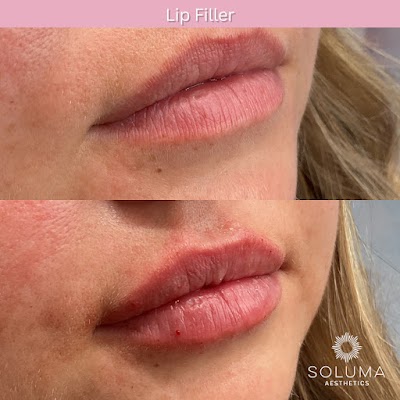
When you look at lip filler before and after galleries, check lighting, angles, and expression. A slightly open mouth in the after photo can make the upper lip appear bigger. Real documentation uses similar angles and neutral expressions. Scan for white roll definition, a natural philtrum, and a lower lip that still dominates the ratio. If the cupid’s bow disappears or the area under the nose looks heavy, that is not subtle.
A good injector will show a range of ages, lip shapes, and skin tones. If every after photo features a glossy, heavily lined mouth, you are seeing a style, not necessarily a fit for subtlety. Ask for healed photos at two weeks or later, not only day‑of results when swelling flatters volume.
Longevity, Maintenance, and When to Pause
Hyaluronic acid lip filler is temporary. That is a feature, not a flaw. Temporary lip filler allows change as your face changes. If you love your shape at six months, a small reinforcement maintains it. If you want a break, the lips will gradually return toward baseline with some individual variation. Over years, some people notice a slight improvement in hydration even off filler, likely from residual matrix changes.
If you have had multiple rounds of lip enhancement injections and notice stiffness or heaviness, consider a reset. Dissolve old product, wait a full month, then reapproach. This pause is like clearing a canvas. The next result often looks cleaner and more youthful with less gel.
How to Prepare for Your Appointment
A little planning smooths the experience. Here is a concise prep list that covers what truly helps without the fluff:
- Avoid alcohol, aspirin, and high‑dose fish oil for 24 to 48 hours if your doctor approves, to reduce bruising. If you are prone to cold sores, start antiviral prophylaxis as directed by your provider. Skip dental cleanings and major dental work for two weeks before and after. Come with clean skin and a clear idea of your priorities, ideally with one or two reference photos that match your face shape. Plan for light downtime of one to three days in case swelling feels conspicuous.
The Quiet Confidence Test
The best test of subtle lip filler is the mirror in the morning when you are not trying to pose. Do your lips look like you, just a little kinder? Does lipstick glide in a way it did not before? Do you feel less need to angle your face a certain way in photos? That quiet confidence is the point.
A cosmetic lip filler should elevate your features, not distract. If a stranger can pinpoint that you had filler, the injector probably chased size over shape. If your closest friends say you look rested, if your partner cannot tell what changed but likes it, you are in the sweet spot.
Where to Begin If You Are New
If you are ready to explore lip filler treatment but worry about overdoing it, start with a consultation and a conservative plan. Ask about non surgical lip filler options, product choices for soft finishes, and staging. Discuss lip filler recovery, what to expect on day two, and how touch ups work. Transparency builds trust.
Searching for a lip filler injector or lip filler specialist near you, look for clinics that treat lips as part of the face, not a standalone project. A careful provider will talk about your chin, your teeth, and your midface when planning lips. They might suggest a fractional dose in the border, a micro‑bolus in the central tubercles, and a reassessment in two weeks. That is how subtlety is engineered.
Final Thoughts on Crafting Natural Results
Subtle lip filler is a craft. It respects tissue, favors proportion, and uses just enough product to solve a specific problem. It also leaves room for change. By choosing hyaluronic acid lip fillers with the right texture, matching technique to anatomy, and staying conservative in the first session, you protect your natural beauty and your options.
The payoff shows up in the small moments: wearing balm instead of overlining, smiling without feeling your lips push forward, catching your reflection and seeing balance instead of effort. That is the art, quietly done. And it lasts, not because the filler never breaks down, but because the plan was sound and the hand was steady.